Like any vehicle, buses experience wear and tear from daily use, requiring regular maintenance. Even with preventive measures, some bus repairs are inevitable. Neglecting bus maintenance can lead to significant safety issues, increased operating costs, and a shorter lifespan for the vehicle.
Bus operators must prioritize maintenance as an investment in the long-term reliability of their vehicles. By staying on top of bus maintenance requirements, you can maximize your vehicles’ service life, ensuring passenger safety.
This blog will explain the common types of bus repairs that you may need to address during the life of your vehicle. Routine bus maintenance, school bus repair, and collision repair are essential to managing costs and downtime. Understanding these repairs can help keep your bus running safely and efficiently.
Regular Bus Maintenance
Proactive bus maintenance helps buses operate at peak performance and remain roadworthy, including:
- scheduled inspections
- fluid changes (e.g. coolant, brake, and power steering fluid)
- component replacements
Whether minor or major, addressing issues promptly is essential to mitigate the risk of breakdowns, accidents, and costly downtime.
- Regular oil changes keep the engine running smoothly. Neglecting this practice can lead to engine wear and premature failure.
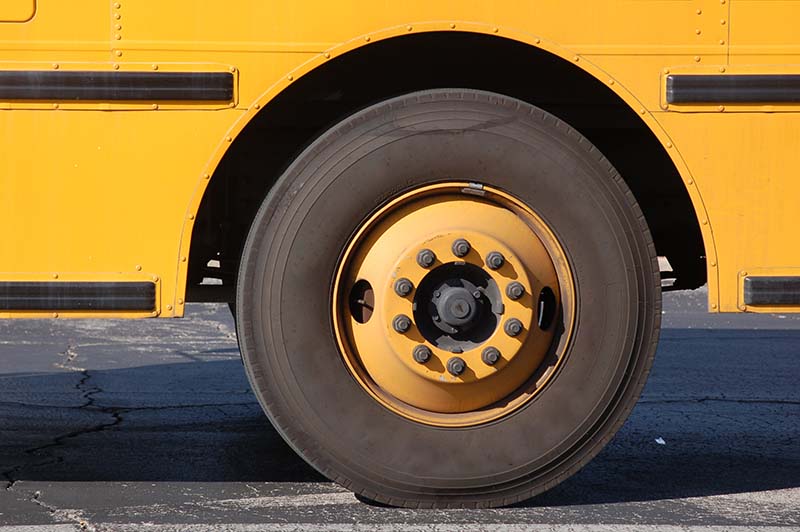
- Buses carry heavy loads and travel long distances. Regular tire inspections and rotations help prevent uneven wear and extend tire life.
- Given the size of the buses and stopping requirements, maintaining the brake system is critical for safety. Regular inspections can identify wear before it becomes a hazardous issue.
Common Types of Bus Repairs
Despite the best preventive strategies, some bus repairs are inevitable as a bus ages and gets worn by use.
Engine and Transmission Repairs
Issues with the engine and transmission can lead to significant disruptions. Typical engine troubles include:
- overheating
- misfires
- oil leaks
Regular maintenance, such as oil changes, coolant checks, and belt inspections, can prevent many vehicle problems. Transmission issues, such as jerky shifts, slipping gears, or unusual noises, can also be prevented by maintaining fluid levels and scheduling periodic inspections.
Electrical System Repairs
Electrical faults can affect everything from the bus’s headlights to internal computer systems. Regular testing and cleaning of battery terminals can prevent power losses. Problems may lead to battery drainage and system failures. Keep an eye out for warning lights and dimming lights.
A non-responsive starter or faulty wiring can cause electrical failures. Check and replace these components as needed to prevent breakdowns. Regular checks of electrical circuits, including fuses and relays, can help detect potential problems early.
Brake System Repairs
The brakes are critical for the safety of the passengers and the driver, making their maintenance a top priority. Always conduct regular inspections of:
- brake pads/shoes
- rotors/drums
- fluids
Be alert to signs of brake problems, such as squealing noises, a spongy brake pedal, or pulling to one side when braking.
Bus Collision Repair
Accidents happen; when they do, a bus might require bodywork and structural repairs to return to service. Bodywork can restore the exterior of your buses by replacing or repairing:
- dents
- scratches
- structural deformities
- mirrors
- lights
- windows
After structural bus collision repairs, a fresh coat of paint might be necessary to cover the damage.
HVAC System Maintenance and Repairs
HVAC systems are necessary for passenger comfort, especially in extreme climates. Regular air filter replacement can prevent airflow issues and maintain air quality inside the bus. Coolant levels should be checked and recharged regularly to keep the air conditioning effective.
Cleaning out the air ducts can prevent blockages and maintain efficient operation. Perform thorough system checks before peak season usage to avoid failures when the system is needed most.
Special Considerations for School Bus Repairs
School bus repairs and maintenance involve more than regular vehicle upkeep. It’s about ensuring student safety. School buses have unique maintenance and repair needs due to their design and critical function. Key considerations for school bus repair include:
- School buses make frequent stops, putting extra strain on brakes and engines. This requires more frequent checks and potential replacements of brake components compared to other bus types.
- School bus operations are seasonal, with peak use during the school year and downtime over the summer. Schedule seasonal maintenance and bus repairs to prepare buses for heavy use during the school year.
- School buses require regular inspections to ensure seat belts, seats, and emergency equipment are in good working condition.
You’re One Step Closer to Finding The Buses You Need
We have a wide variety of new and pre-owned buses in our nationwide inventory. Whatever your needs are, we can find a solution for you. Check out our selection of school buses available.